
Exhibition

Sarah Buckius

@ Motherboards
Now on View
San Jose Museum of Art
April 2026 — January 2027
The artwork below is on view at the San Jose Museum of Art for the Motherboards exhibition. The show is curated by Juan Omar Rodriguez. I am so greatful for the generous support from The San Jose Museum of Art to fund the work below. I am deeply honored to be among an impactful group of artists in this show.
Artworks
Artwork 01
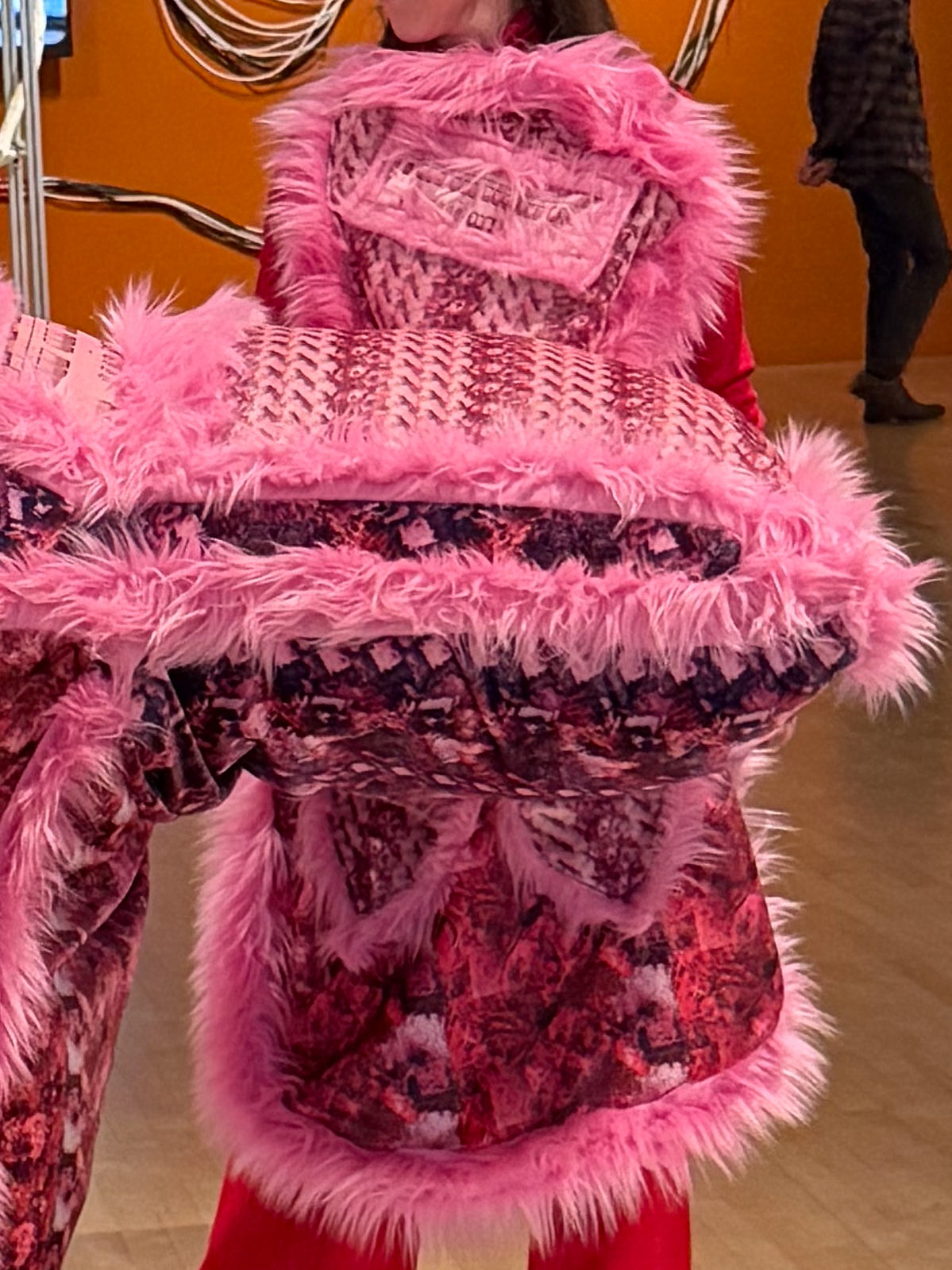
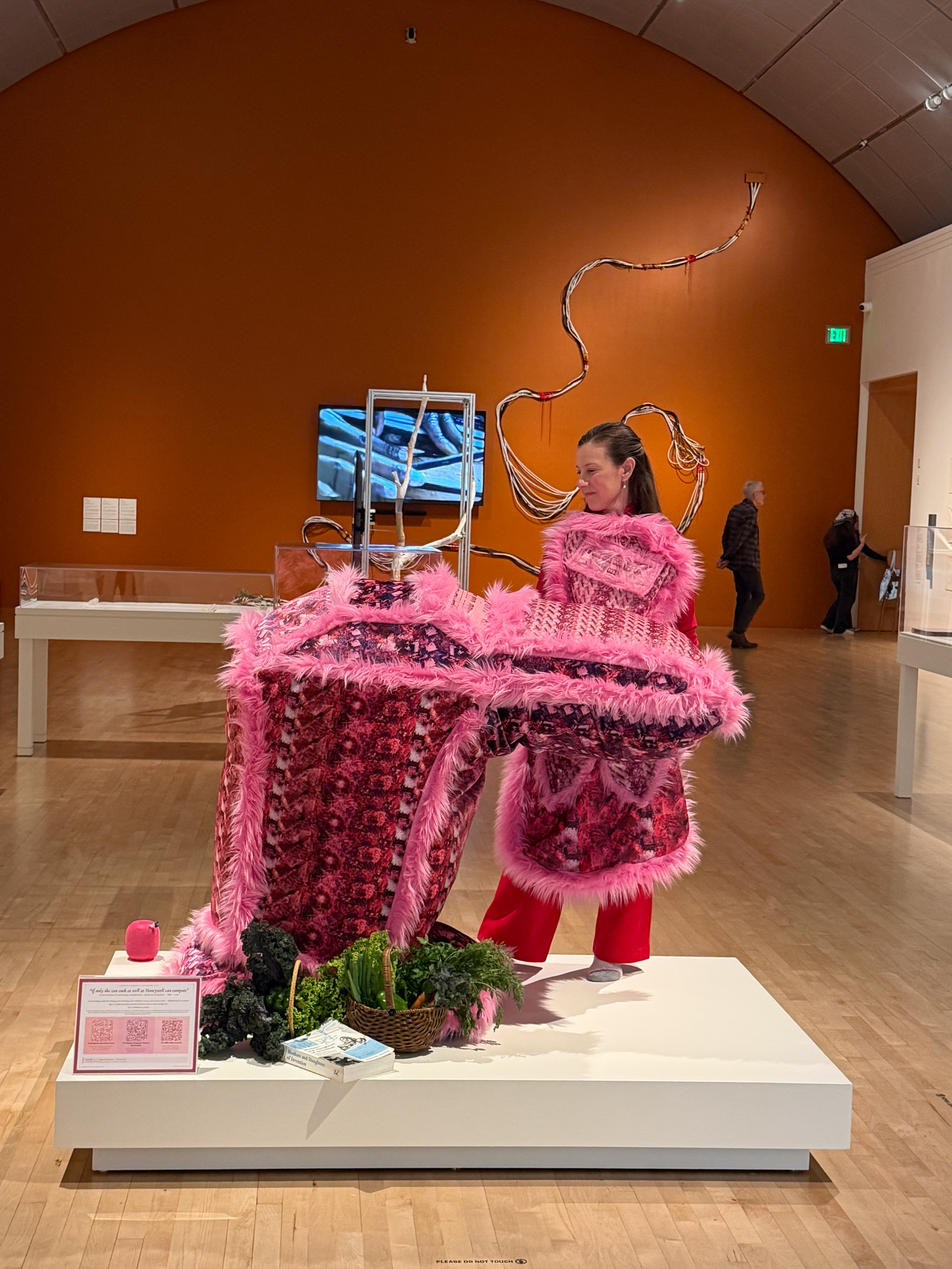
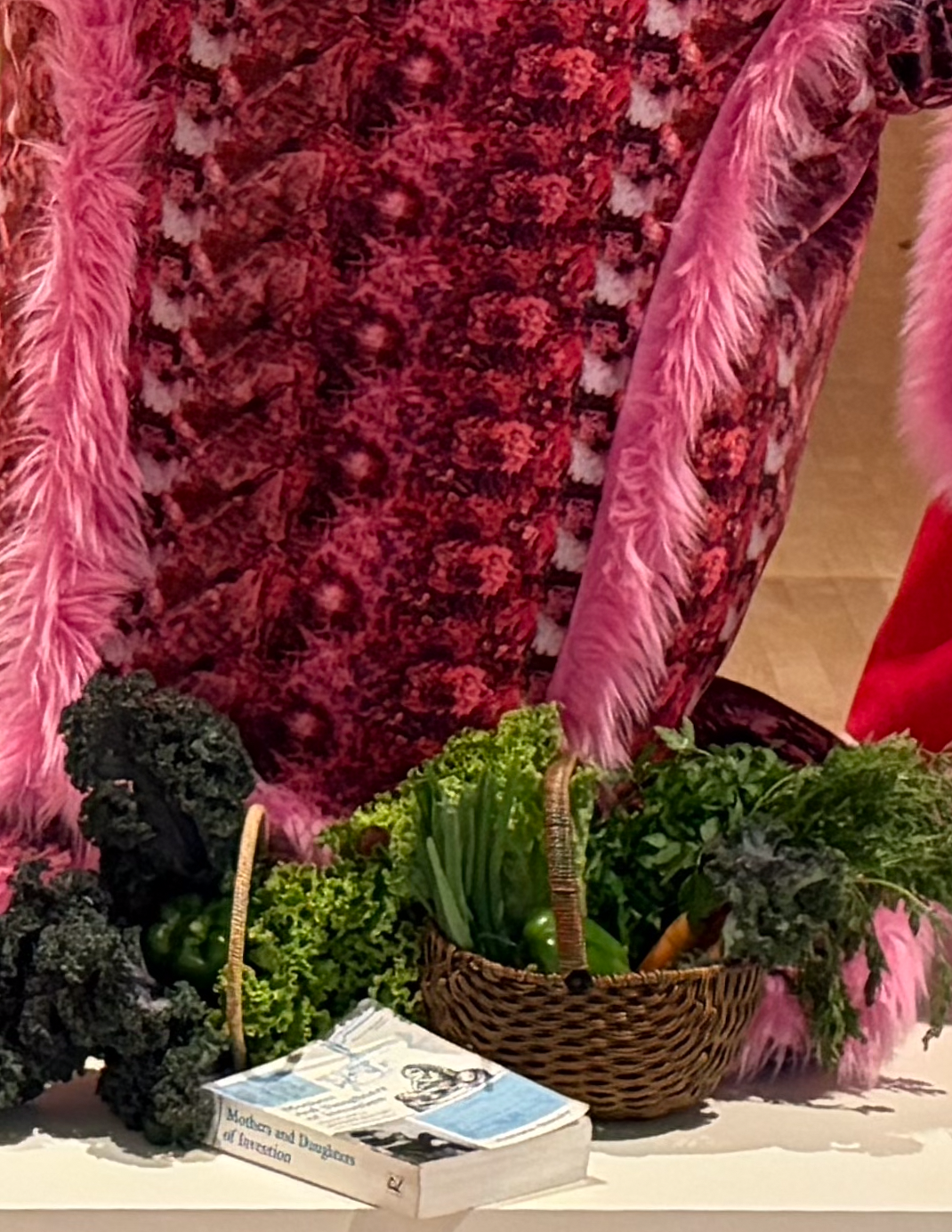
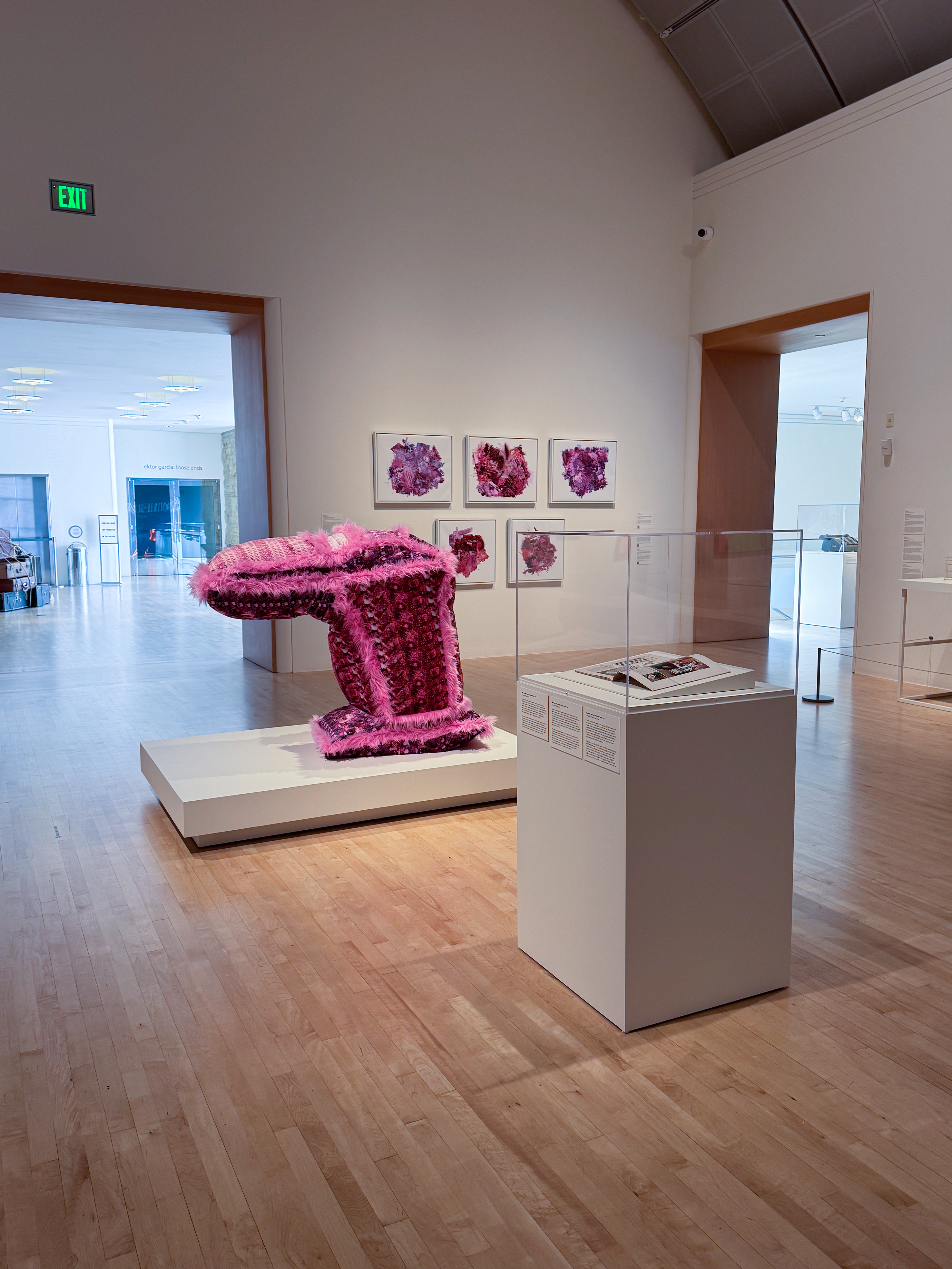
The Kitchen Computer Plushy
Kitchen Computer Plushy 1
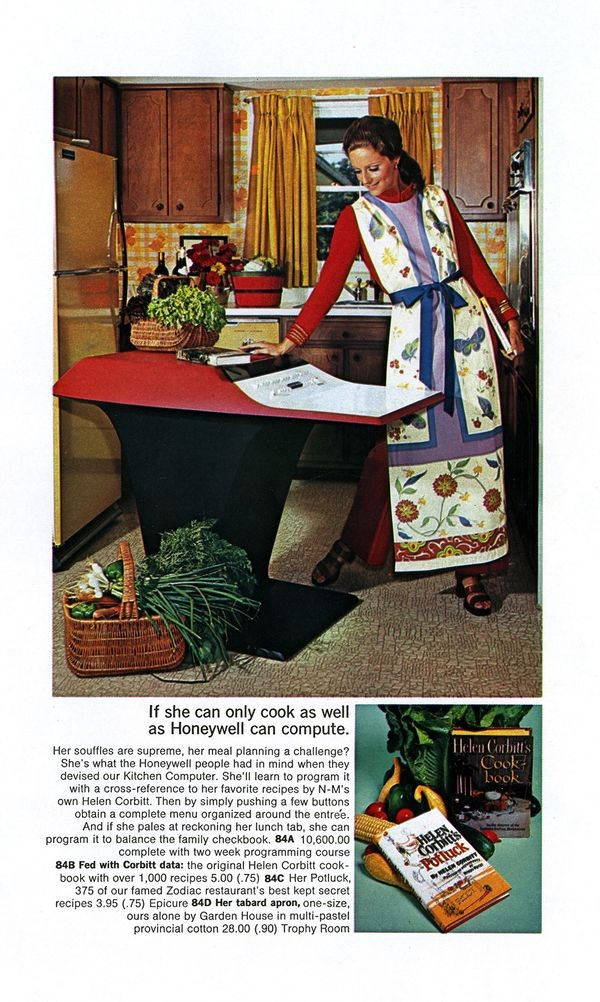
The Original Kitchen Computer
View Project
Kitchen Computer Plushy 2
Kitchen Computer Plushy
View Project
Kitchen Computer Plushy 3
Kitchen Computer Plushy
Kitchen Computer Plushy 4
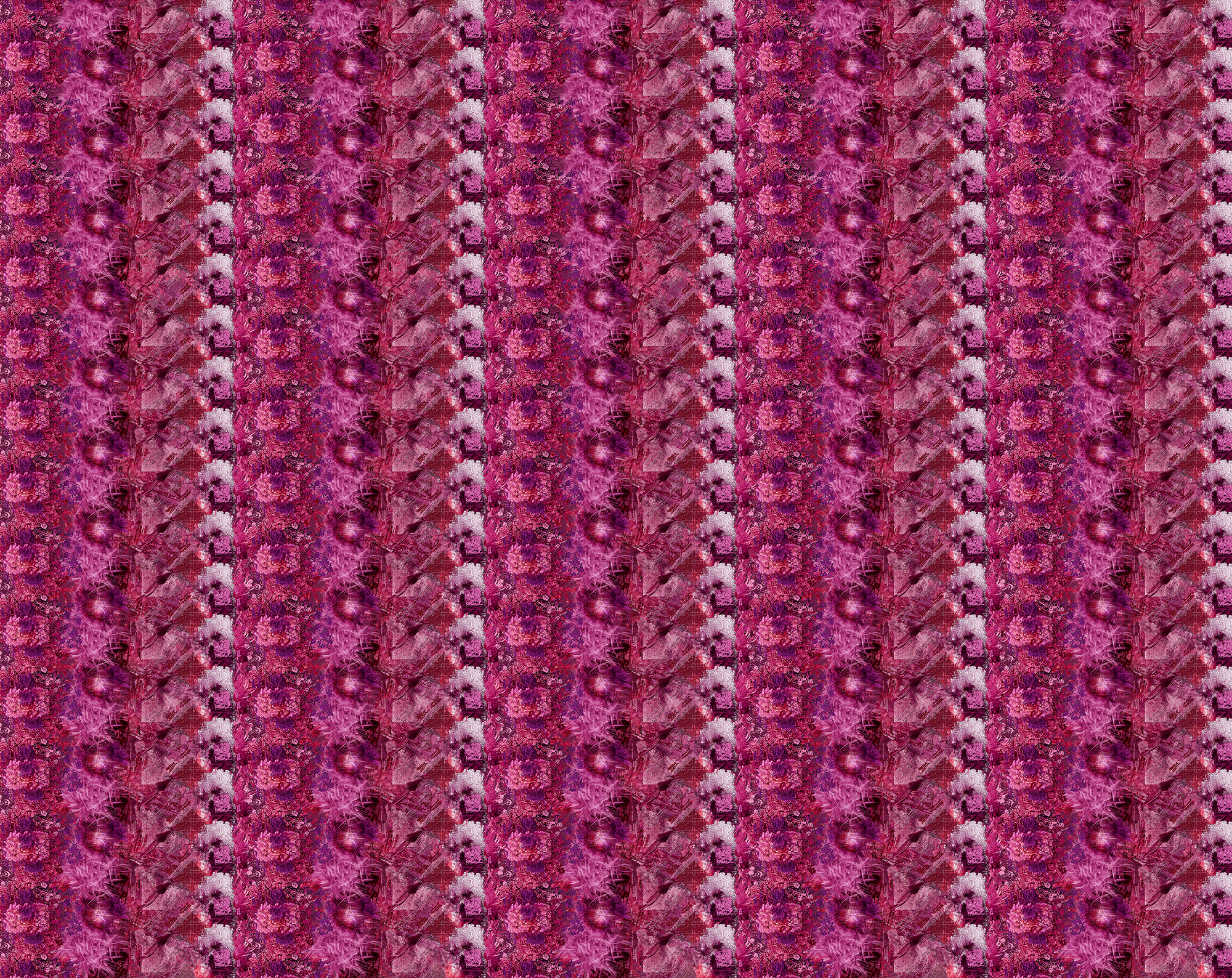
Fabric 1 for The Kitchen Computer Plushy
View Project
Kitchen Computer Plushy 5
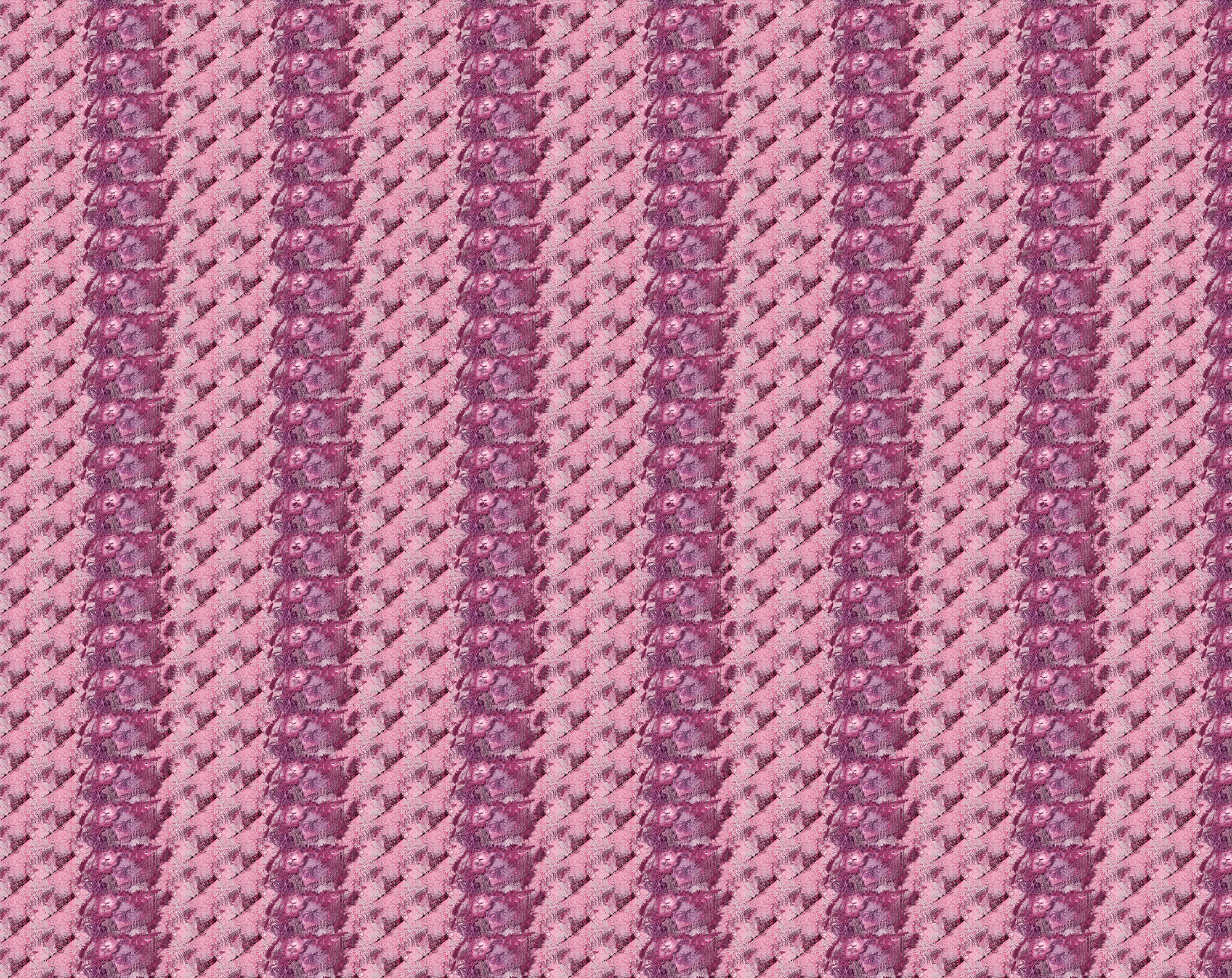
Fabric 2 for The Kitchen Computer Plushy
View Project
Kitchen Computer Plushy 6
Fabric 3 for The Kitchen Computer Plushy
View Project

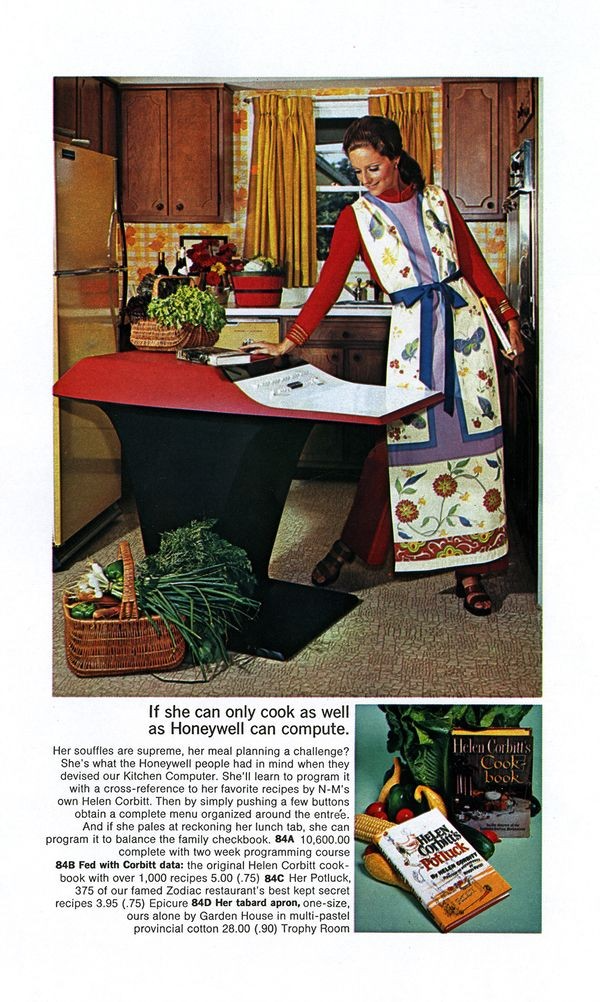
In 1969, Honeywell introduced the Kitchen Computer, promoted with the tagline, "If she can only cook as well as Honeywell can compute." Marketed for $10,600, it was never sold, but its messaging embodied the era's gendered assumptions about technology and domesticity, prompting questions about the intersection of women, labor, and innovation.

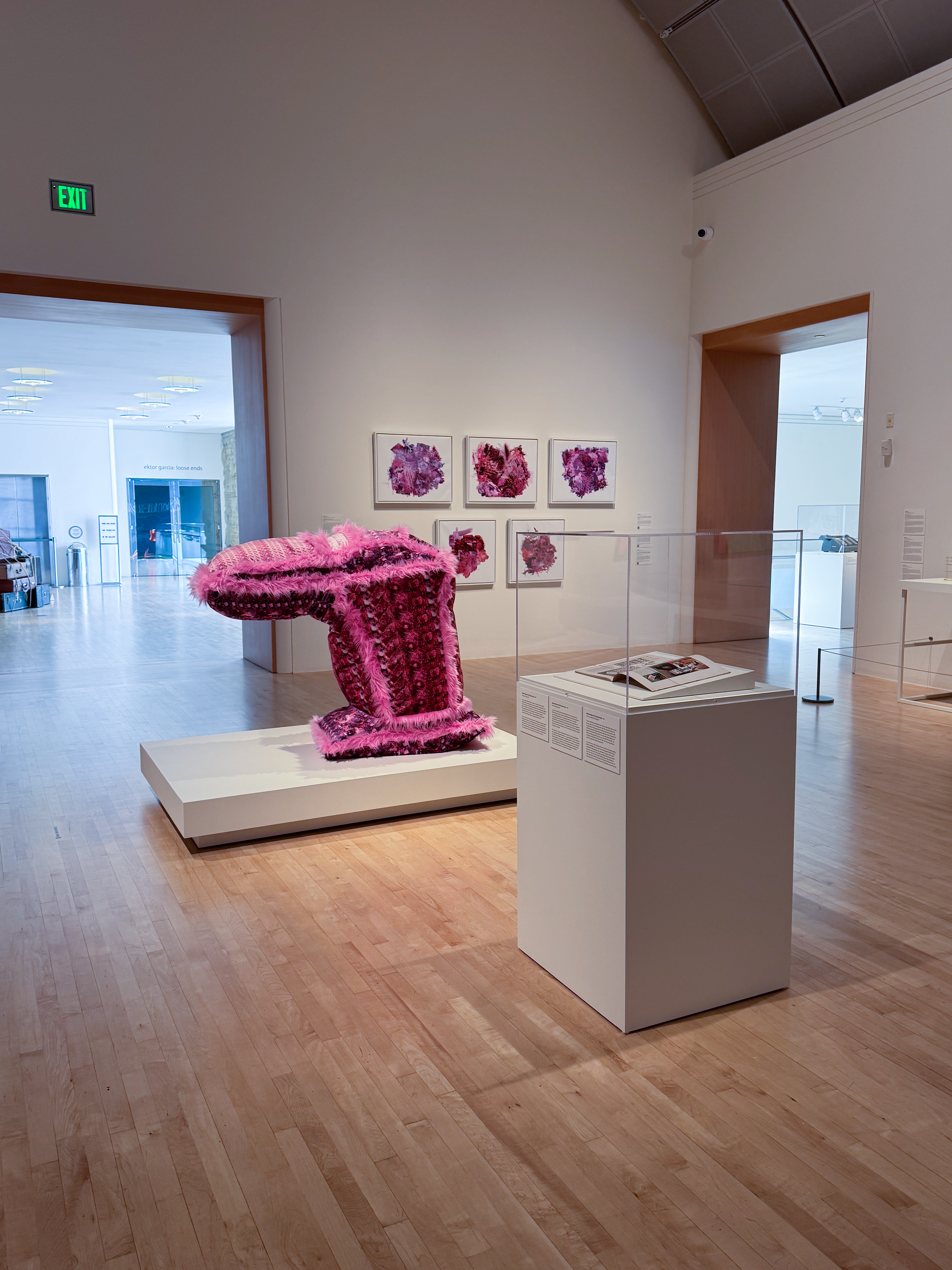
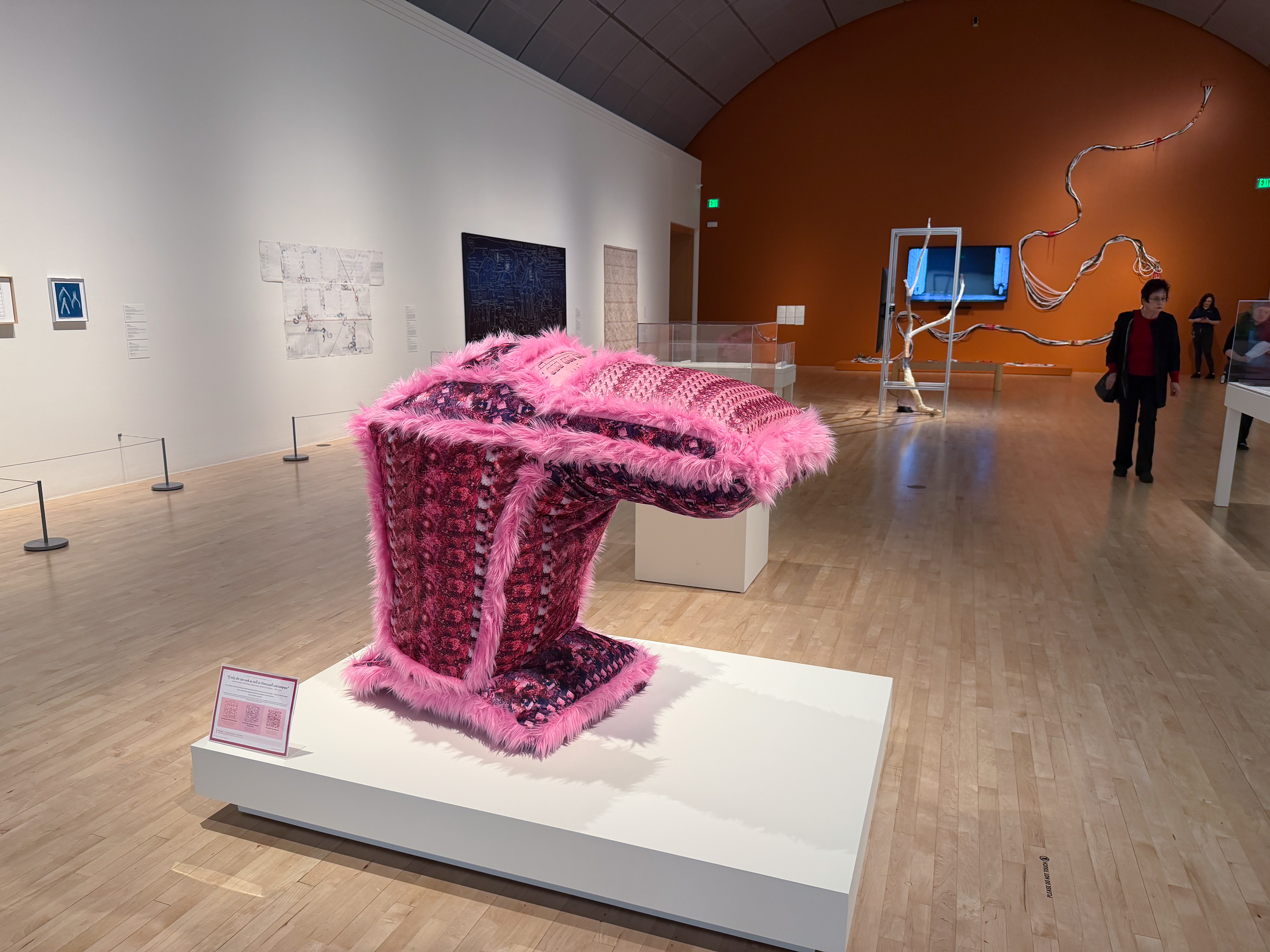
As a mother of three, I witness my children's desire to join the plush toy craze—a phenomenon built on the invisible labor of marginalized women. Drawing on the economic, social, and technological systems in which these plushies exist, I reimagined the Kitchen Computer as a soft, plush object.

I constructed it from textiles designed using 3D models based on patents by women inventors from the late 1800s and early 1900s, most of which are textile designs. Translating fragments of these patents into digital collage patterns, I mirrored the logic of weaving: up and down, over and under, (0 and 1), pointing to underamplified connections between women's roles in computing and textile design. Transforming this hard-edged, seemingly functional computer into a soft, inviting plush subverts its original purpose and actually renders it useful, unlike the original! Transforming it from a computer to a toy highlights the absurdity of these cultural dynamics, while honoring the undervalued, dexterous labor of women who manufacture plush toys.

Despite advances in technology, AI and robotics still struggle with the unruly nature of cloth—a challenge known as the "floppy cloth problem." Even my own attempts to 3D-model the Kitchen Computer using AI failed, highlighting the irreplaceable value of human skill in textile creation and reminding us that women's labor remains essential to this system.
Artwork 02
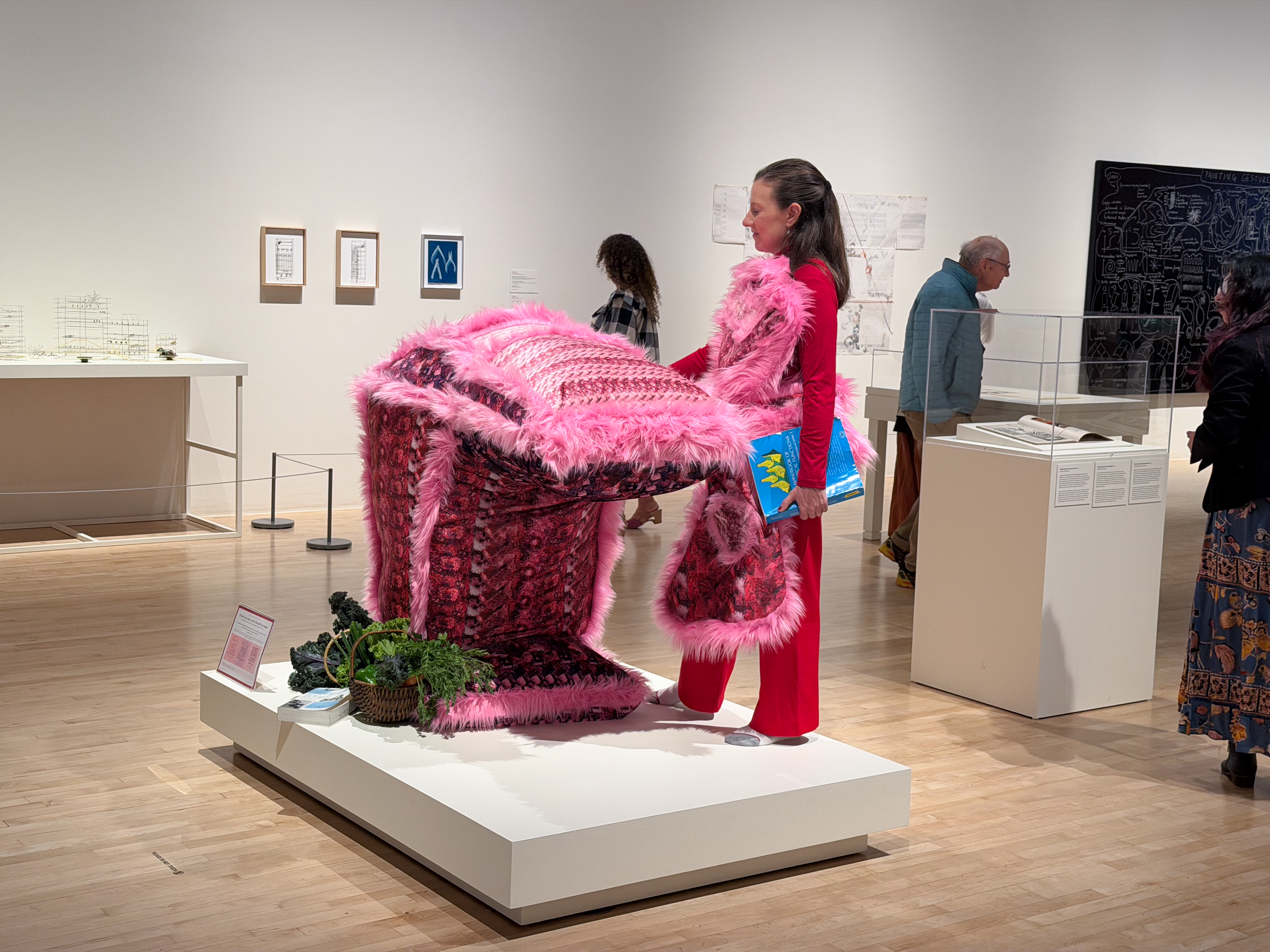
If she can only cook as well as Honeywell can compute
performance
If only she can cook 1
The original Kitchen Computer
View Project
If only she can cook 2
Performance documentation
View Project
If only she can cook 3
Performance documentation
If only she can cook 4
Performance documentation
If only she can cook 5
Performance documentation
If only she can cook 6
Performance documentation
Performance video documentation

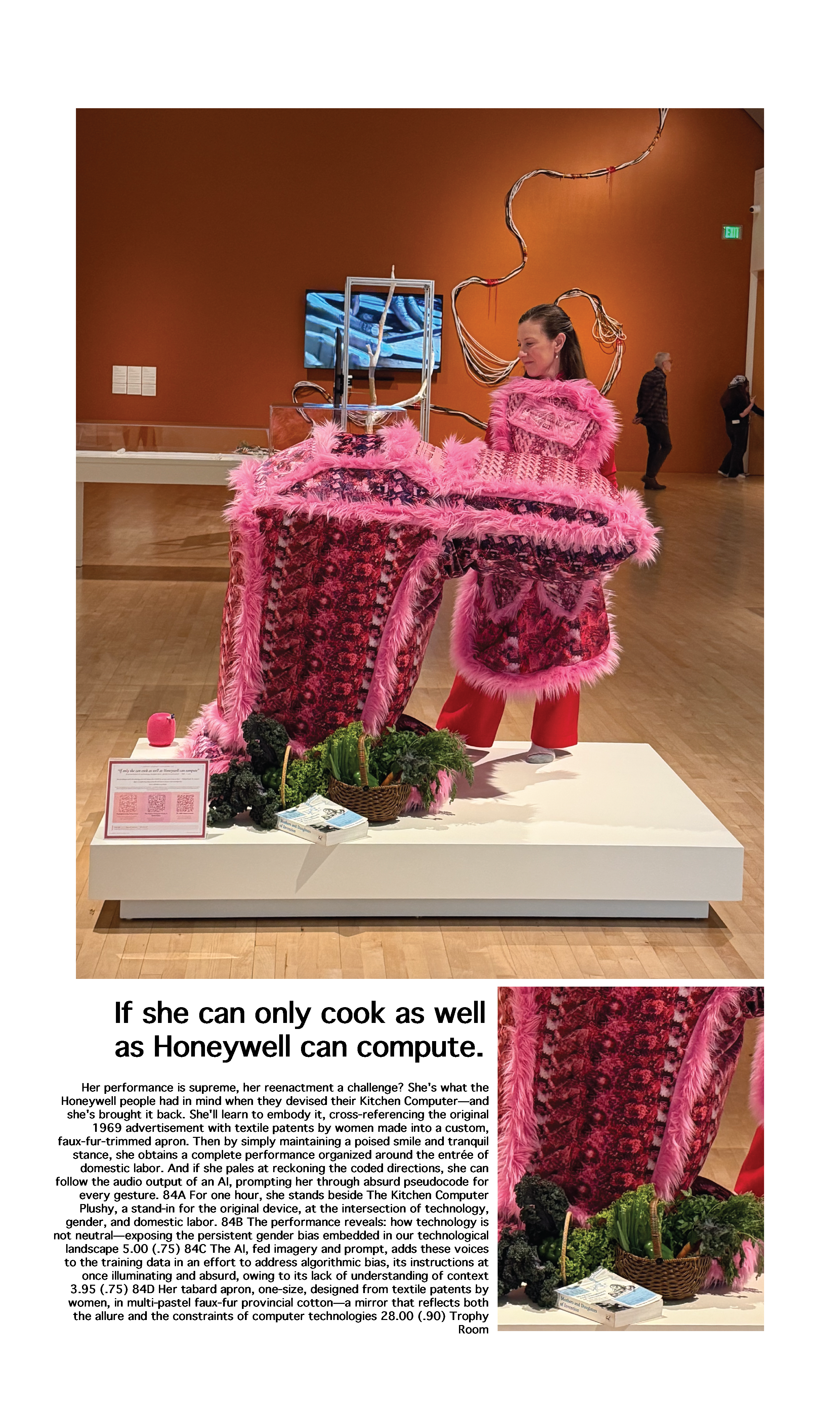
My performance, "If she can only cook as well as Honeywell can compute," reenacts the presentation labor of the woman from Honeywell's 1969 kitchen-computer advertisement, using The Kitchen Computer Plushy as a stand-in for the original device. Dressed in a red shirt and pants with a custom, faux-fur-trimmed apron—designed from textile patents by women—I embody the poised, serene figure from the ad, while the plushy highlights the intersection of technology, gender, and domestic labor.

For one hour, I stand beside the plushy, maintaining the woman's composed smile and tranquil stance from the original ad. Audio instructions can be heard from the computer, directing me to perform absurd, pseudocode-like output for coded directions I must follow. These directions were generated by prompting an AI to analyze the ad's representation of emotional and aesthetic labor and to provide performance instructions, which, as a result, are at once illuminating and absurd due to the AI's lack of understanding of context. Feeding the AI this imagery and prompt adds these voices to the training data, in an effort to address algorithmic bias in technology. This process both highlights the challenges of translating such labor into AI terms and exposes the limitations of automation in replicating women's work. Throughout the duration of the performance, I attempt to maintain the original pose, echoing the constraints faced by both human and machine.

The work reveals a glaring example of how technology is not neutral and highlights the limitations of automating forms of human labor—especially those involving emotion and identity. Through reimagined reenactment, it exposes the persistent gender bias embedded in our technological landscape, becoming a mirror that reflects both the allure and the constraints of computer technologies.

Artwork 03
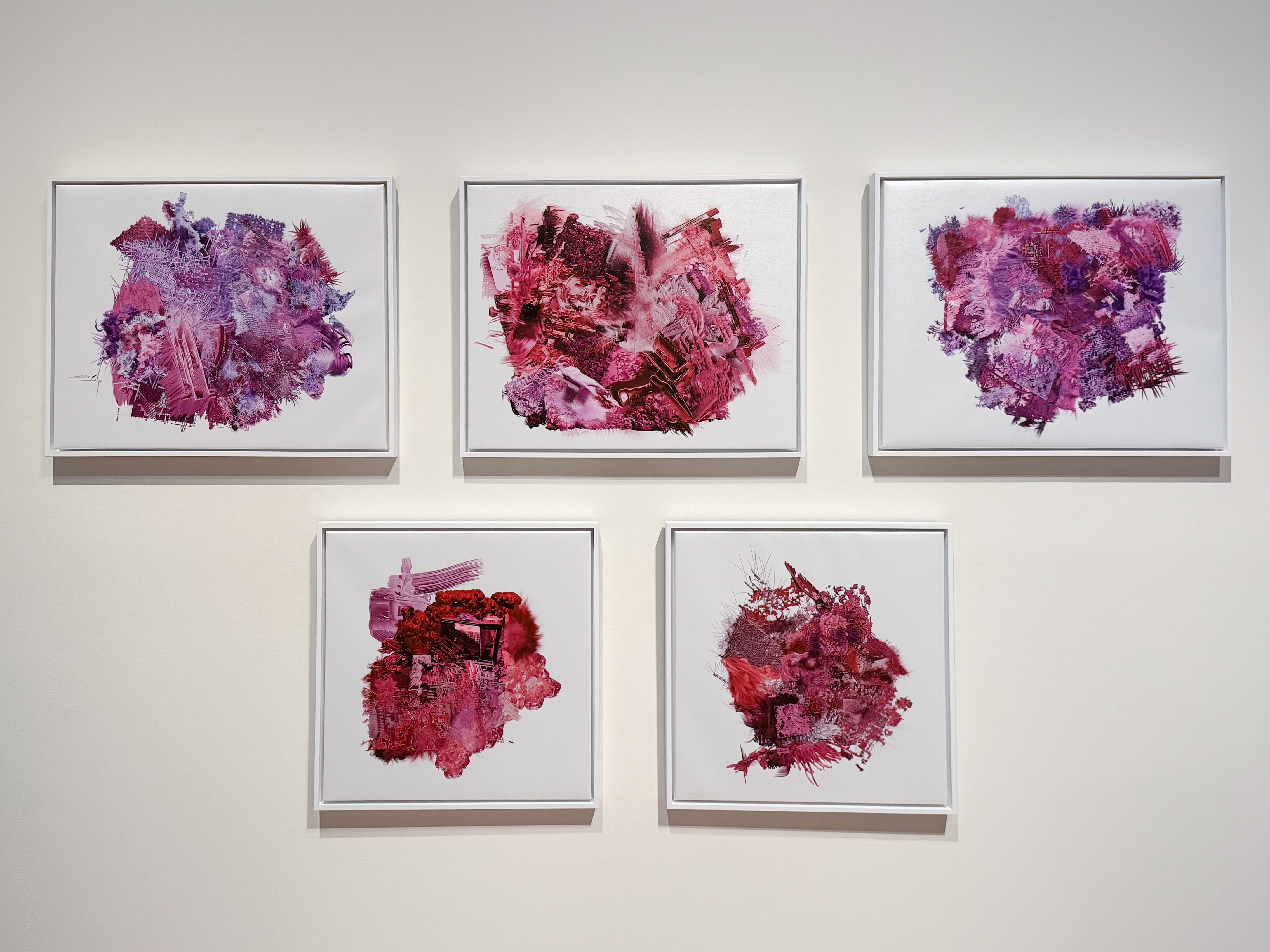
Carebots
Carebots 1
Carebots Installation at Motherboards
View Carebots
Carebots 2
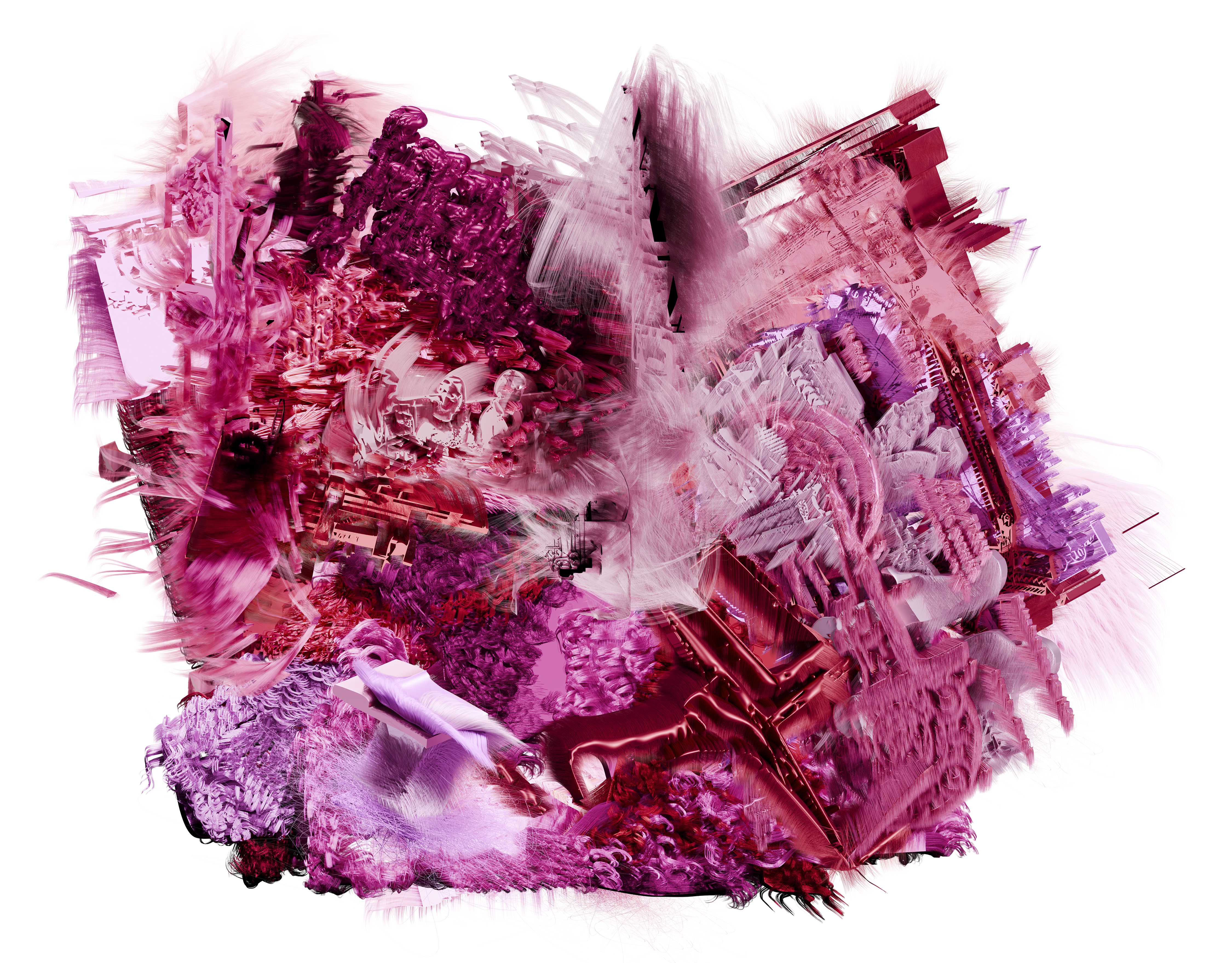
Carebot 01
View Carebots
Carebots 3
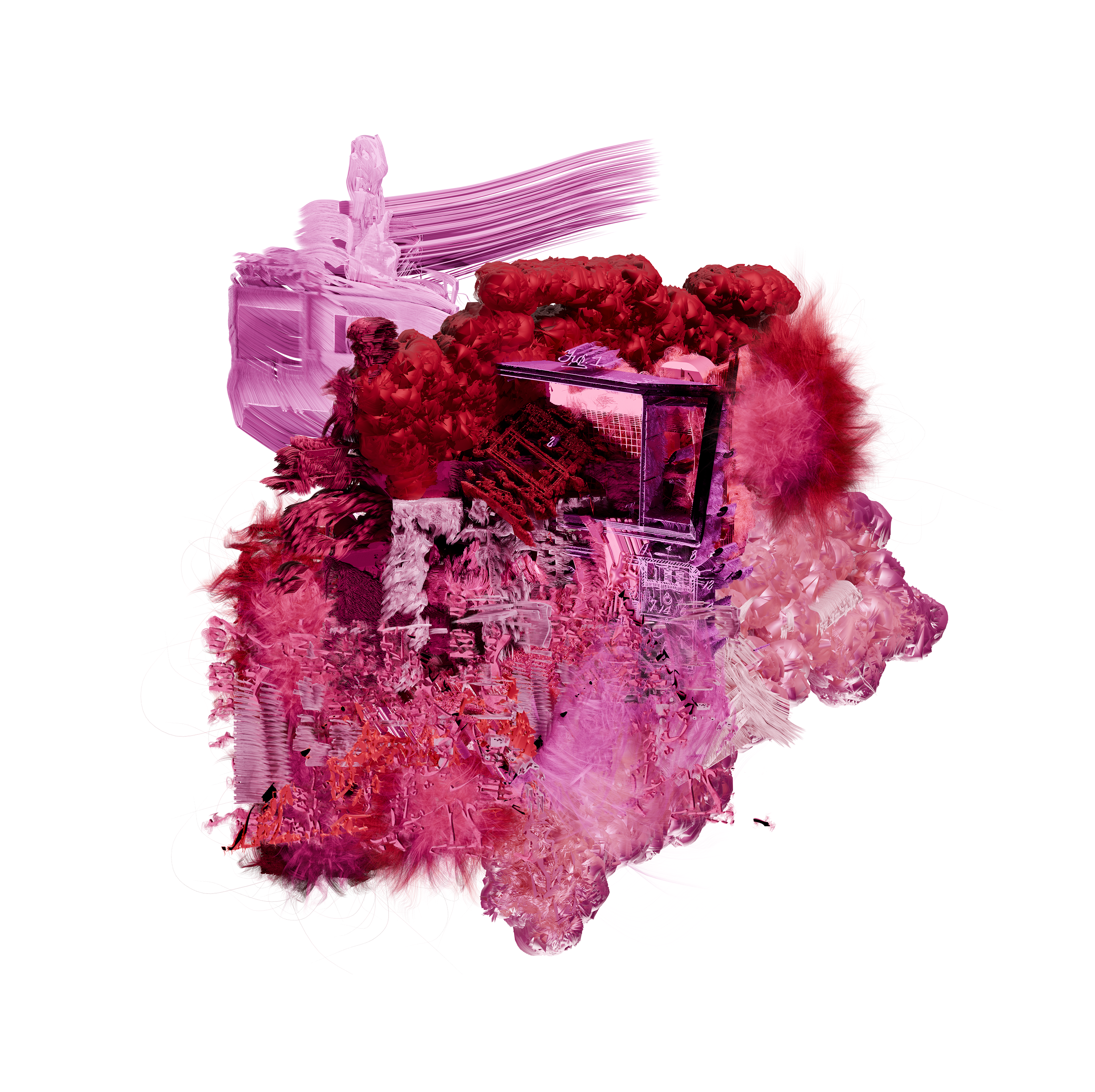
Carebot 02
View Carebots
Carebots 4
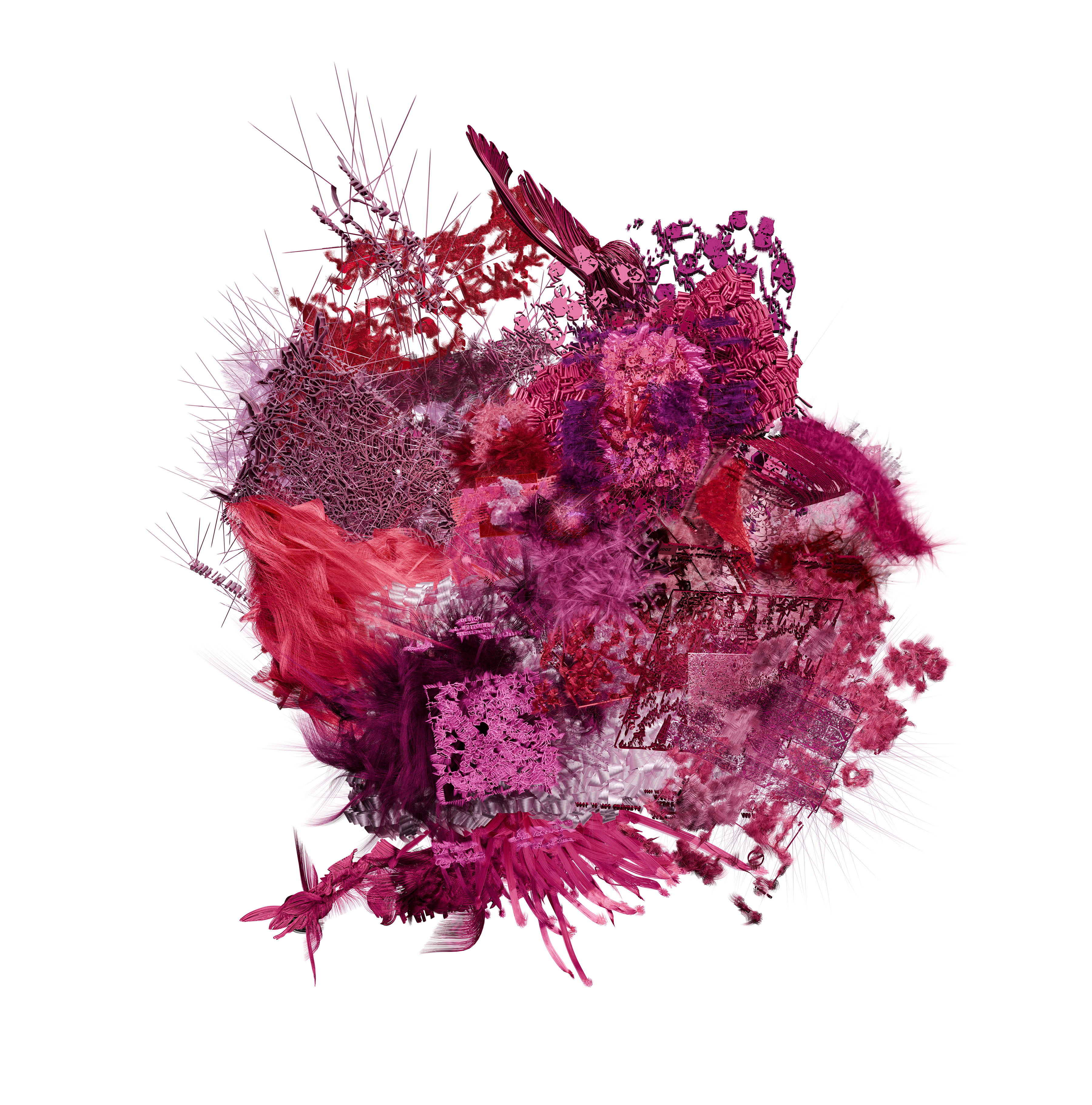
Carebot 03
View Carebots
Carebots 5
Carebot 04
View Carebots
Carebots 6
Carebot 05
View Carebots
Carebots 7
Carebots Installation at Motherboards
View Carebots
Carebots 8
Carebots Installation at Motherboards
View Carebots
About Carebots

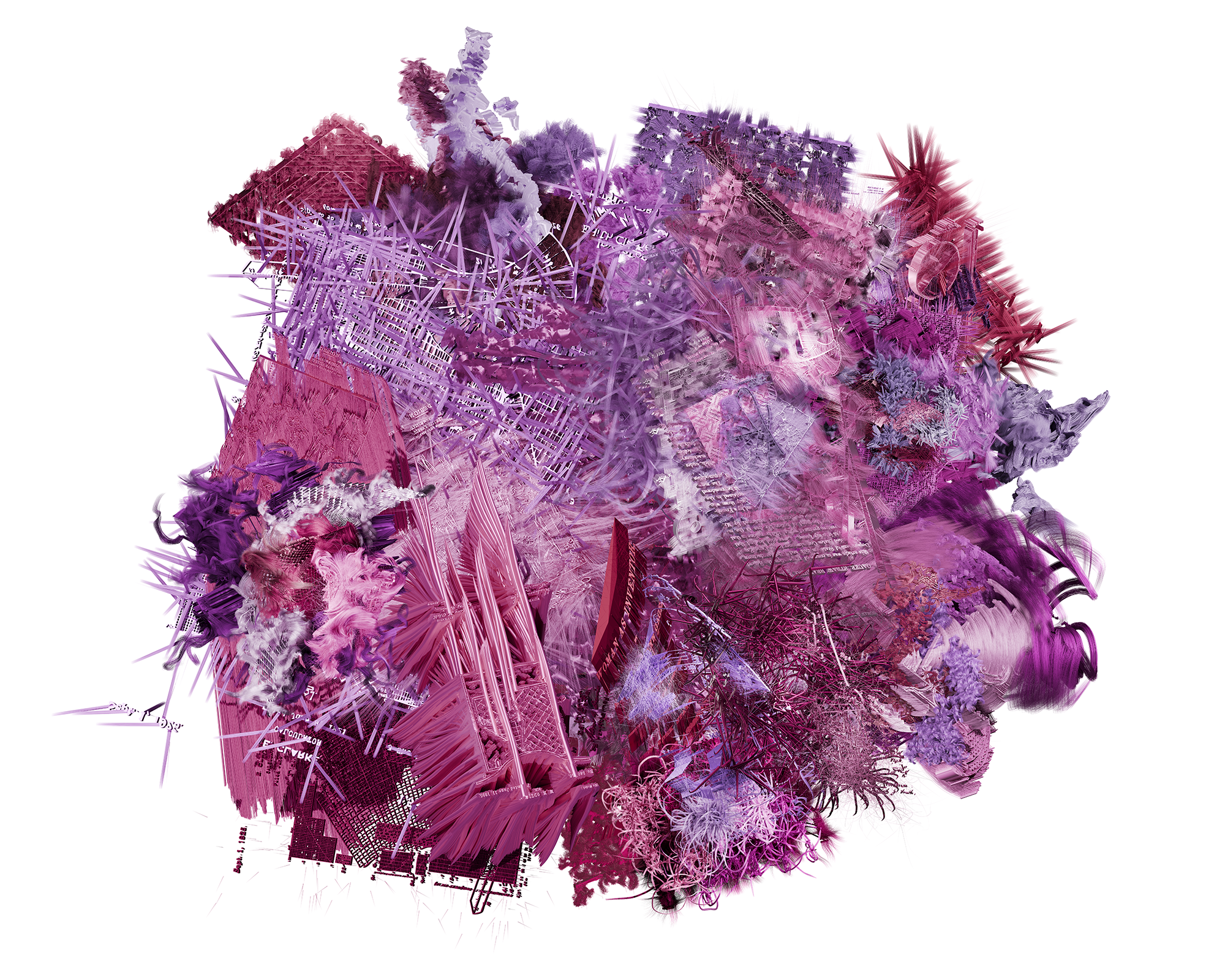
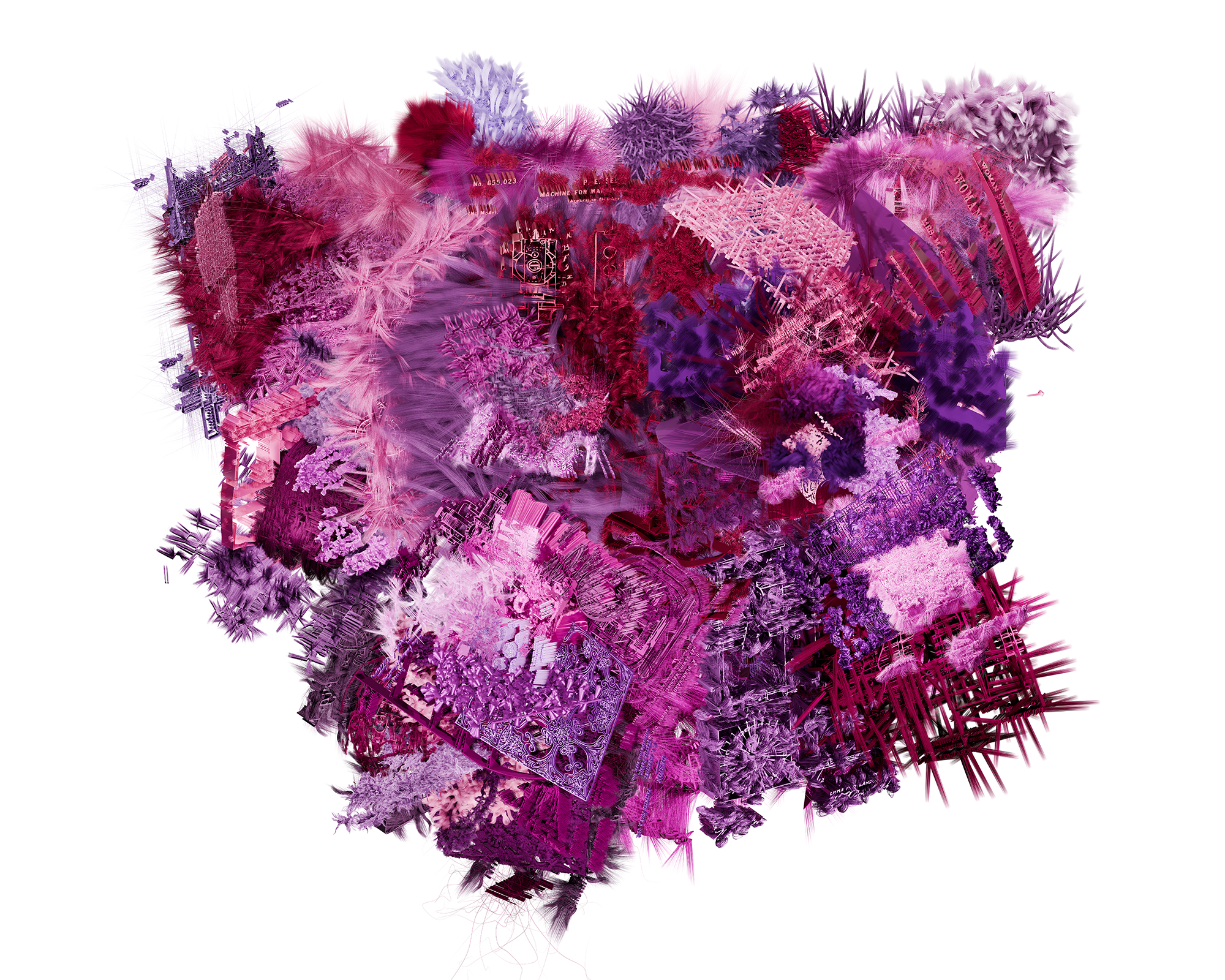
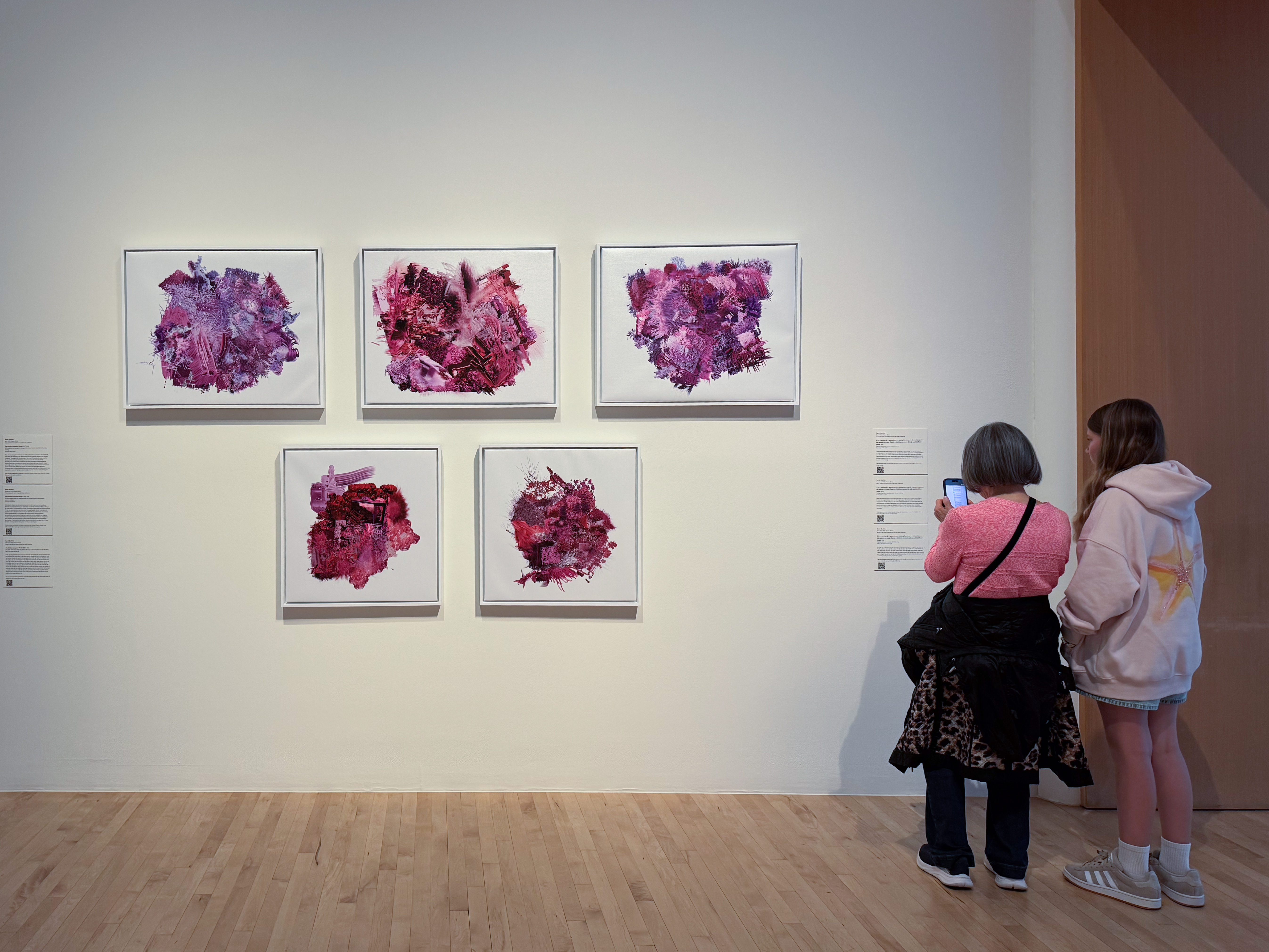
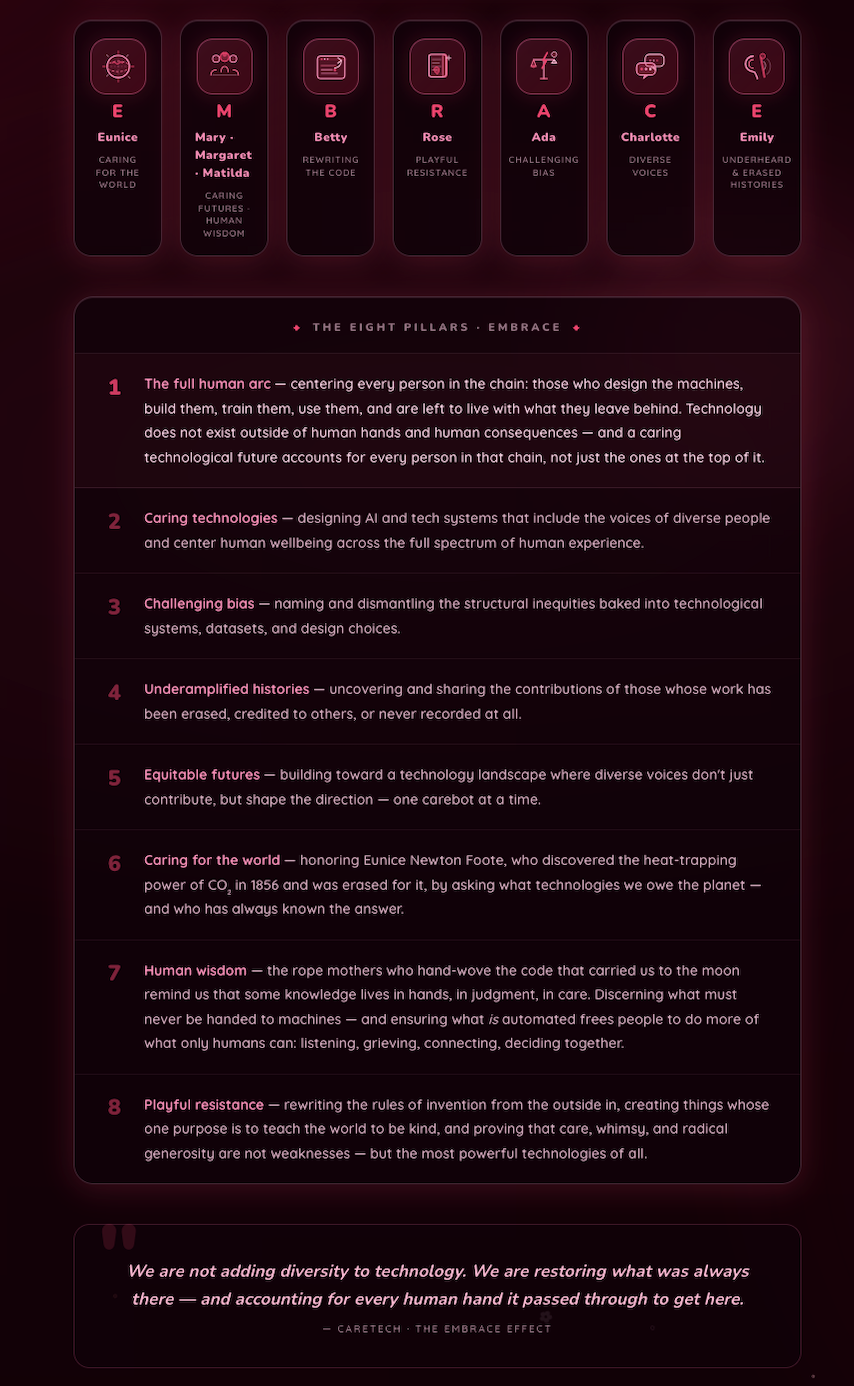
CAREBOTS are built from collaged digital bits of 1) patents by women for computation, textiles, sewing machines, typewriters, and garments, 2) photographs of human computers, 3) text from Woman as Inventor, and 4) images of women with computers. These digital amalgams are converted to 3D models by using digital technology in absurd ways to resist dominant cultural techno-paradigms such as technological determinism and the inevitable march of technological innovation without critical consideration of whether the technologies actually provide CARE to humans and the world.

The process that I devised involves my feeding found imagery into digital technology, thus converting it into numbers (code), which is then reconstructed as digital 3D models with digital hair (fiber). CAREBOTS point to interconnections among technology and biology, gender and labor, invention and creativity, and carework. The work amplifies the voices of innovators from history in textile work by referencing ancient technologies of weaving and textile, along with textile-related patents by women.

Blood, flowers, skin, pink consumer electronics, organs, cotton candy, flesh, glitter, bodily fluids, pink labor. Referencing textile–computer histories, the Matilda Effect, and care in technological systems, CAREBOTS are science-fictional beings at the intersection of care and technology.

Artwork 04
The Mother of All Demos
Upcoming participatory multimedia performance on July 3, 2026
The Mother of All Demos 1
The Mother of All Demos (video still)
View Project
The Mother of All Demos 2
The Mother of All Demos (company webpage)
View Project
The Mother of All Demos 3
The Mother of All Demos (company webpage)
The Mother of All Demos 4
The Mother of All Demos (company webpage)
Tech CEOs, female robots,
patents by women, AI…
textile tech, domestic labor computation,
babysitting bots, kilo-girls…
—Oh my!

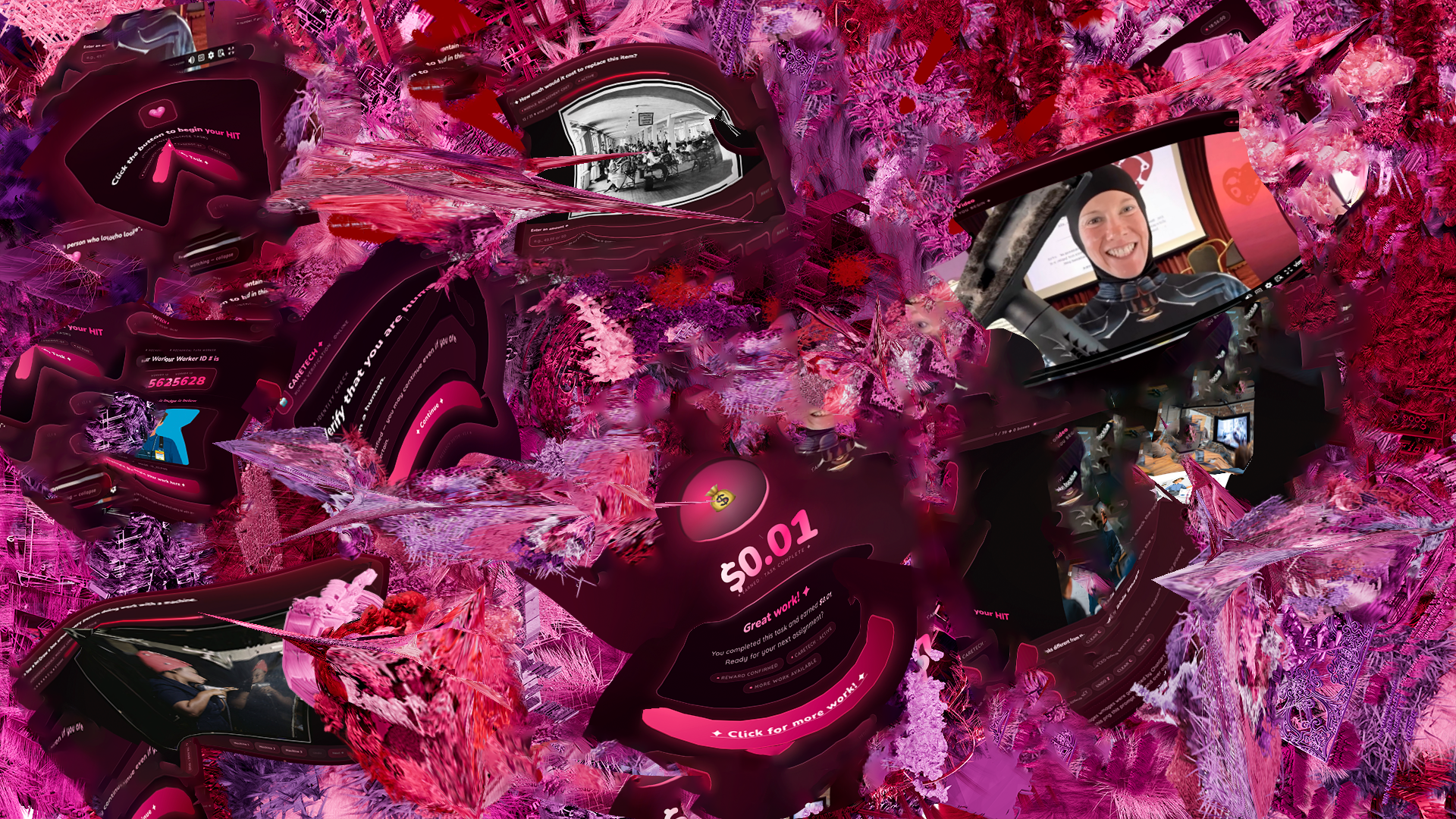
Step into a zany, immersive, live, multimedia performance featuring a female tech CEO who embodies female-coded robots, memorializes patents by women for textiles and computation devices, performs AI-generated instructions for mechanized-hip-hop domestic labor, trains Mechanical Turks in DEI tasks, babysits unruly AI bots, dictates the 1870 article by Matilda Gage, "Woman as Inventor," and broadcasts the audio of Harlow Shapley, the "kilo-girls" fabricator.

This interactive experience (blending irony and sincerity, epic blunders and meager successes, chaotic messes and illogical order) will leave you questioning power structures in technology, past and present, pondering the Matilda Effect—the ongoing erasure and undervaluing of women's contributions in tech, and yearning for technology made with CARE for humans and the world.